The 10 Steps For a Successful Kitten Bath Time
Cats are meticulous self-groomers, so they don’t need bathing anywhere near as often as dogs. Plus, we all know how much a cat hates getting wet! But some cats – especially heavy shedders, or those that might have stumbled into something dangerous, smelly, or sticky – do need a more thorough wash than their own…
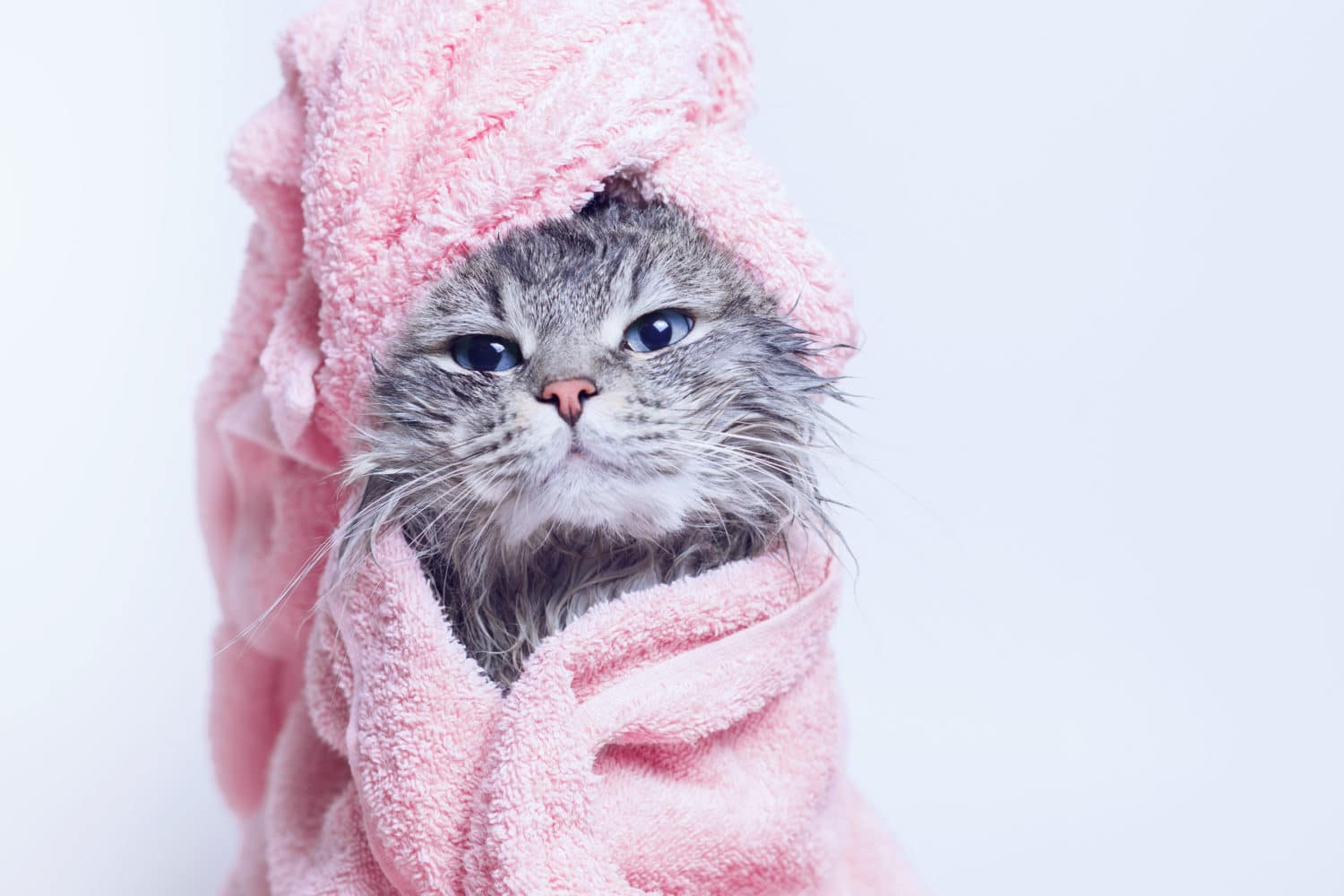
Cats are meticulous self-groomers, so they don’t need bathing anywhere near as often as dogs. Plus, we all know how much a cat hates getting wet! But some cats – especially heavy shedders, or those that might have stumbled into something dangerous, smelly, or sticky – do need a more thorough wash than their own tongues can give them.
Getting a new kitten used to water early is also important to ensure things go smoothly in any future baths. So here’s our easy ten-step process for bathing your kitten for the first time.
1. Time It Right
A cat that’s already in a crazy mood is going to be a lot harder to handle in the bath! So pick a time when your cat is clearly tired and mellow to make the whole process much easier out the gate.
2. Trim the Claws
This can be a process in itself, but it’s imperative that your cat’s claws are blunt before bath time. A scared cat is likely to lash out, scratching anyone nearby, including you.[Cat scratches](http://Nugard for pets is a simple to use topical flea and worming treatment that's effective in keeping your pet safe and healthy. It is suitable for use on cats, kittens, dogs, and puppies. Nugard For Pets The topical nature of the treatment means it is user friendly and time saving (no more washing your fur baby with that weird smelling flea shampoo!). Simply administer the gel by parting the fur of your pet between the shoulder blades and placing the product directly on the skin of your animal. In the hours immediately after application be sure to keep that area dry and make sure no other pets lick off the treatment to give it a suitable amount of time to work. How It Works The active ingredients used in Nugard (imidacloprid and moxidectin) will begin to work immediately after being administered. The topical nature of Nugard for pets kills fleas on contact with their fur; they don’t have to bite your dog or cat for it to take effect, which makes for a happier fur baby! Existing fleas are killed within 12 hours, and after this time re-infesting fleas are killed within 1 hour. The active ingredient, imidacloprid, is shed with the natural shedding of your pet's skin and fur, killing flea larvae in the environment and breaking the flea lifecycle making your (and their) home flea-free! As flea eggs can lay dormant in your house for long periods of time, hatching when triggered by movement or heat, it is still important to treat your pet once a month as advised by Nugard. If you find your pet is still scratching considerably after administering the treatment, do not worry. As the treatment works, the fleas get agitated and move around more within your pet's coat causing discomfort which is usually met with a lot of scratching. If the scratching continues into the next day, it could be a sign of a separate skin condition for which you should take your pet to the vet for further investigation. For further questions or advice on using Nugard spot-on treatments, contact our trusted vets today!) are very susceptible to infection, so it’s best to sit down with some nail clippers before the bath. Just make sure you’re only cutting the white parts of the nail, not the pink, and you should be okay!
3. Give Them a Brush
Cats shed year-round, and their coats can get pretty dense even if they don’t look that way. All the fur that’s going to come out during their bath is going to do a number on your plumbing, so it’s best to get it all out beforehand. If your cat enjoys a brush, this may also be a good way to get them in a calm mood before they get in the water. This is also a good opportunity to put a little cotton wool in their ears to keep the water out!
4. Put Down Some Traction
Having a stable place to stand is as important in the shower for your cat as it is for you! It gets pretty slippery in there, and if your cat loses their grip, they could panic and hurt themselves or you. So before you turn the water on, lay down a towel or a rubber mat that covers at least as much space as the cat will be standing on, if not the whole tub. If you’re using something smaller, it might be best to get a second pair of hands to keep the cat stable during the bath.
5. Get the Water Right
Cats don’t sweat like humans do! That means that hot water can make them overheat. Instead, you want about 3-4 inches of water that’s just above lukewarm. Anything deeper than that will make your cat even more uncomfortable and likely to lash out. Once your cat is situated in the water, use a plastic cup, jug, or a handheld showerhead to pour water over their body (avoid the face for now!).
6. Use a Cat Shampoo
Once the cat is nice and soggy, lather them up with a proper cat shampoo like Fido’s. Using human shampoo can damage your cat’s skin, and since cats lick their fur so often it can also be bad for their internal health. Start lathering at the neck and work your way slowly and gently towards the tail, being careful not to pull or pinch the skin at any point. Again, avoid the face, eyes, and ears!
7. Rinse Deeply
Once they’re all lathered up, rinse them off the same way you first got them wet, by slowly pouring the water over them and gently wiping the shampoo away. Remember that anything that’s left could be ingested later, so make sure you’re thorough!
8. Be Careful With the Face!
If your cat’s face needs cleaning (which it sometimes does), don’t pour water over it or you’ll spook them. Instead, use a damp washcloth to carefully wipe away any dirt. Be extra careful around the eyes, ears and whiskers as they’re all sensitive and easily damaged.
9. Dry Quickly
Probably the most important part of the bath (at least from your cat’s perspective!) is getting dry. Use a good, clean towel and keep them in a warm room to get them dry as quickly as possible. If your cat lets you, you can also try a hair dryer on its coolest setting to speed things up, but be careful of overheating.
10. Time for Treats!
A little positive reinforcement goes a long way! Your kitten did a great job getting through the bath, and deserves a nice reward. Treats, pats, and some play time after bath time can help your cat realise that maybe baths aren’t so bad after all. Explore our full range of [cat treats here](http://Nugard for pets is a simple to use topical flea and worming treatment that's effective in keeping your pet safe and healthy. It is suitable for use on cats, kittens, dogs, and puppies. Nugard For Pets The topical nature of the treatment means it is user friendly and time saving (no more washing your fur baby with that weird smelling flea shampoo!). Simply administer the gel by parting the fur of your pet between the shoulder blades and placing the product directly on the skin of your animal. In the hours immediately after application be sure to keep that area dry and make sure no other pets lick off the treatment to give it a suitable amount of time to work. How It Works The active ingredients used in Nugard (imidacloprid and moxidectin) will begin to work immediately after being administered. The topical nature of Nugard for pets kills fleas on contact with their fur; they don’t have to bite your dog or cat for it to take effect, which makes for a happier fur baby! Existing fleas are killed within 12 hours, and after this time re-infesting fleas are killed within 1 hour. The active ingredient, imidacloprid, is shed with the natural shedding of your pet's skin and fur, killing flea larvae in the environment and breaking the flea lifecycle making your (and their) home flea-free! As flea eggs can lay dormant in your house for long periods of time, hatching when triggered by movement or heat, it is still important to treat your pet once a month as advised by Nugard. If you find your pet is still scratching considerably after administering the treatment, do not worry. As the treatment works, the fleas get agitated and move around more within your pet's coat causing discomfort which is usually met with a lot of scratching. If the scratching continues into the next day, it could be a sign of a separate skin condition for which you should take your pet to the vet for further investigation. For further questions or advice on using Nugard spot-on treatments, contact our trusted vets today!).